What is SMTube?
Overview
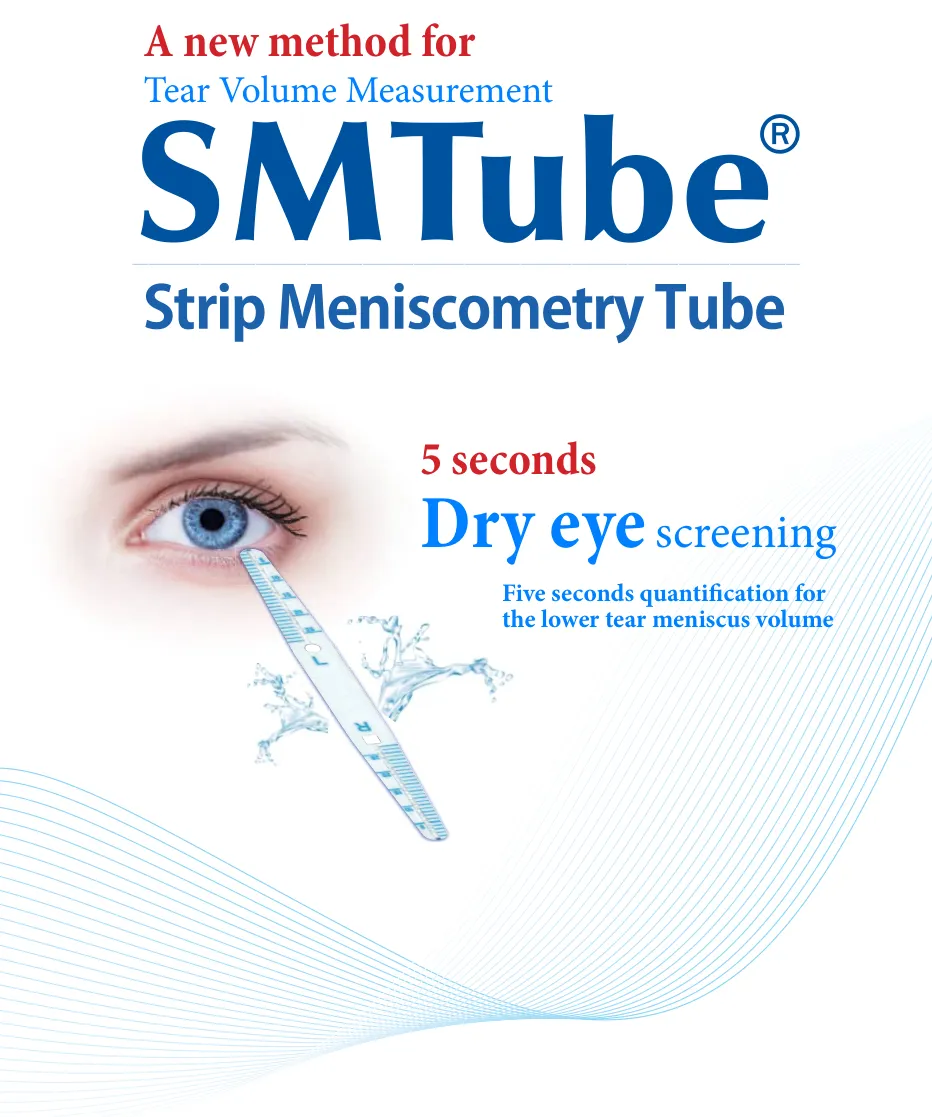
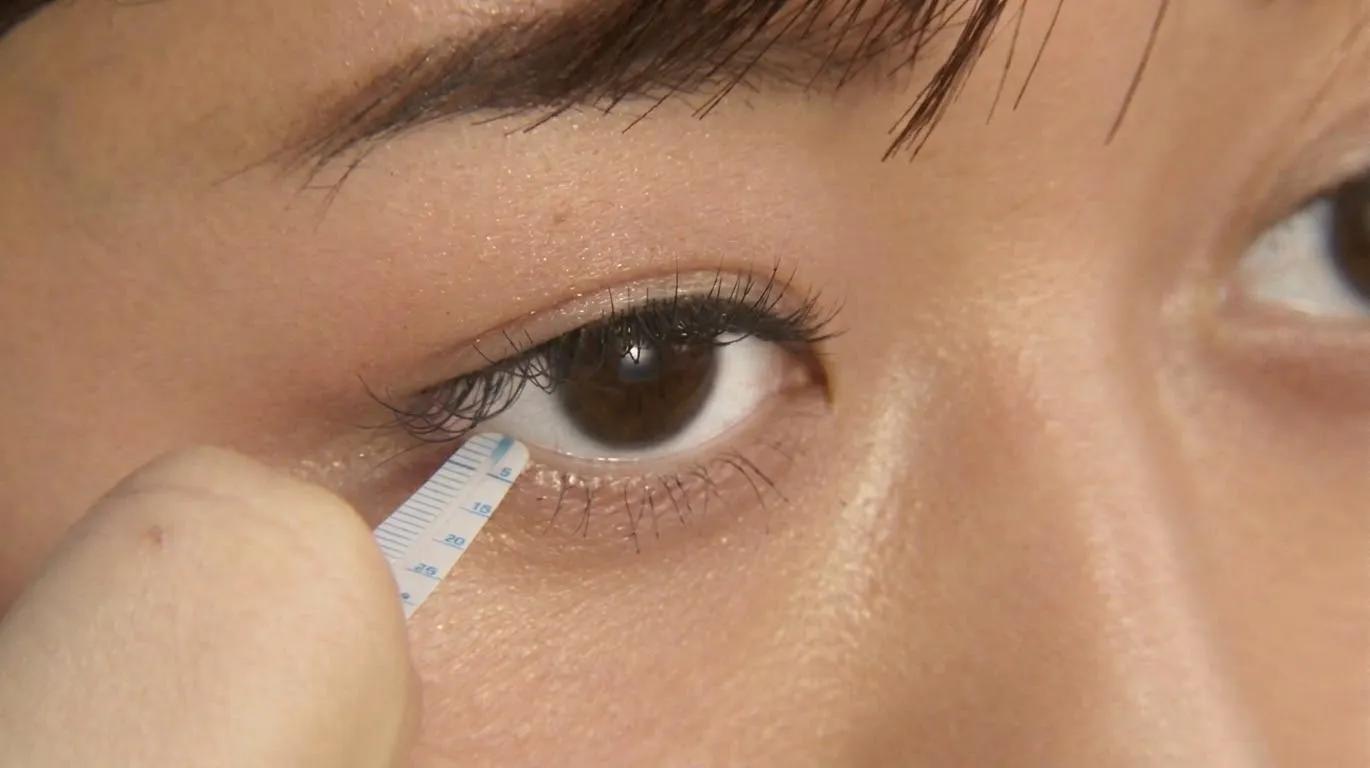
SMTube (Strip Meniscometry Tube) is a device applied to the lateral lower-lid tear meniscus for 5 seconds to collect tears. The length of the stained column is read in millimeters (mm). It is not inserted into the conjunctival sac, and no topical anesthesia is required[1].
Structure & specifications
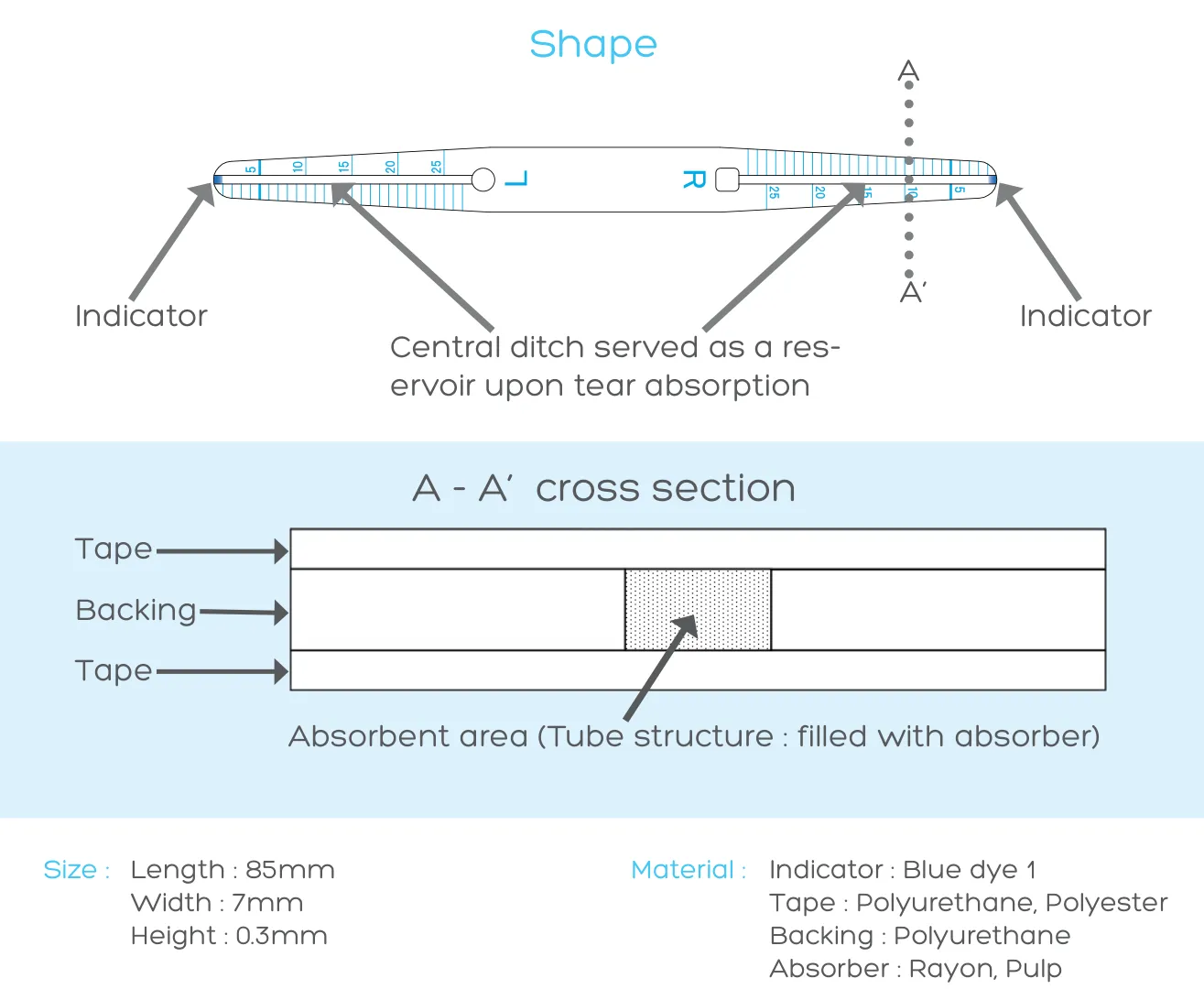
An absorber (rayon/pulp non-woven fabric, pore size 20 µm) is placed in a central ditch covered with polyurethane/polyester tape. Only the tips are stained with Blue No. 1 dye, and the absorbed tear fluid causes the dye to travel along the column[1].
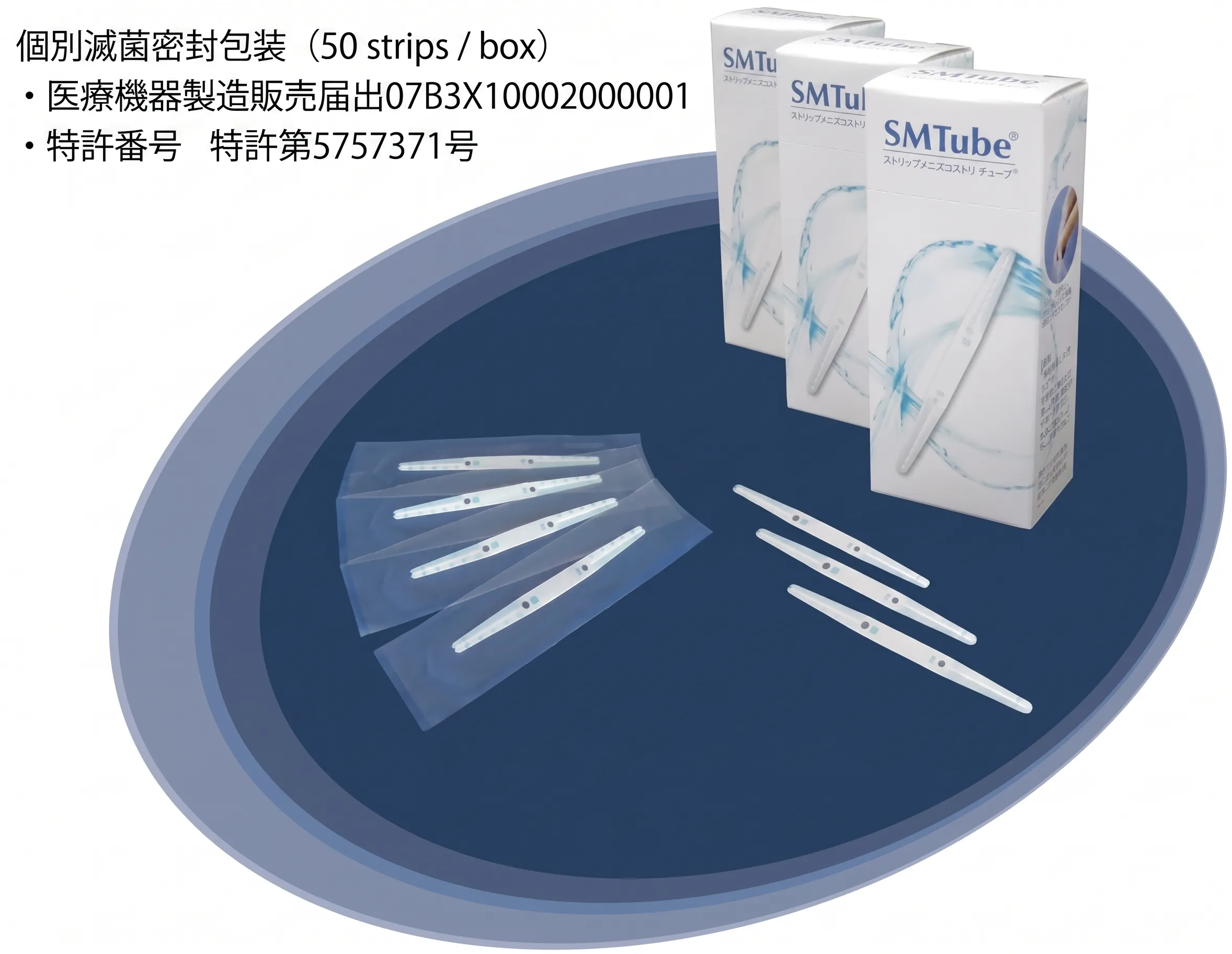
The device dimensions are 85 mm × 7 mm × 0.3 mm. It is electron-beam sterilized, individually sealed, and intended for single use.
- Size
- 85 mm × 7 mm × 0.3 mm
- Sterilization
- Electron-beam sterilized
- Package
- Individually sealed
- Use
- Single use
Directions for use
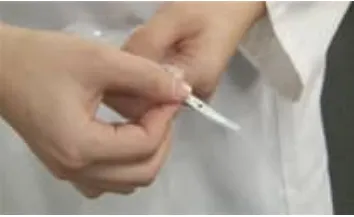
Take SMTube from its sterile package.
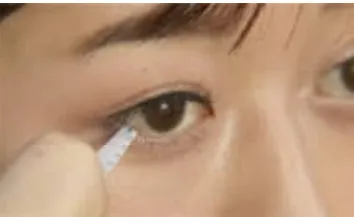
Use the R-marked portion for the right eye and the L-marked portion for the left eye.
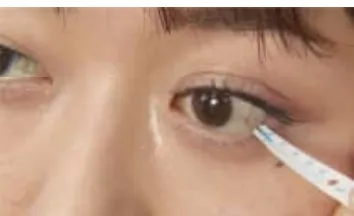
Apply SMTube for 5 seconds to the lateral lower-lid tear meniscus without touching the cornea or conjunctiva.
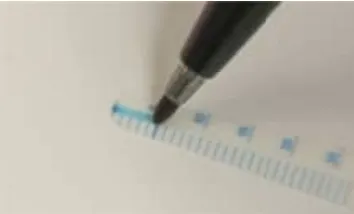
Measure the length of the blue-stained tear column.
Discard after use; do not reuse.
Wait at least 5 minutes after instilling eye drops before using the device.
Origin
The "tear meniscus" is a reservoir of basal tears formed between the eyelids and the ocular surface, and accurate knowledge of its condition is considered useful in the diagnosis and confirmation of treatment effects for anterior segment diseases such as dry eye[2, 3].
Meniscometry is a general term for methods that objectively measure and evaluate the state of the tear meniscus. In particular, strip meniscometry was proposed as a methodology to rapidly, simply, and minimally invasively measure tear meniscus volume without requiring large-scale equipment[4].
SMTube is a commercialized device that developed this method further and is mass-produced under strict quality control.
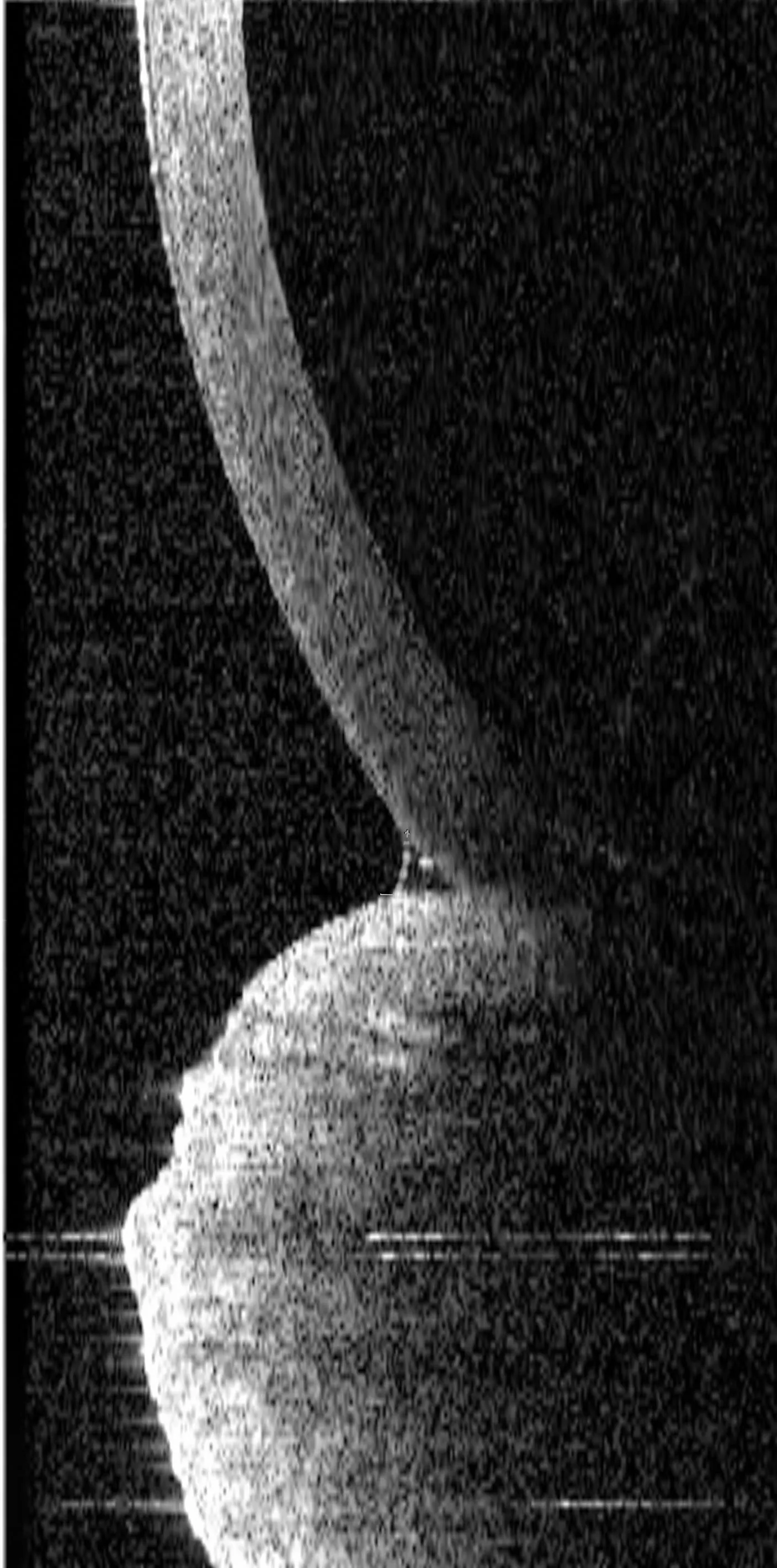
Clinical study reports
In a study by Shinzawa et al. (2018, involving 43 dry eye eyes of 22 patients and 49 eyes of 28 controls), the following results were reported[1]:
- Correlation with tear meniscus height (TMH): r = 0.81
- Correlation with Schirmer test: r = 0.82
- Correlation with tear film break-up time (BUT): r = 0.77
- Correlation with tear meniscus area (TMA): r = 0.86
- At a cut-off value of 4.0 mm, sensitivity was reported as 93% and specificity as 72%.
Related reports
- In the ROC analysis of strip meniscometry, the estimated area under the curve was 0.9308, with a sensitivity of 0.86 and a specificity of 0.96 at a cut-off of less than 4 mm[4].
- The correlation with tear meniscus height measured using a slit-lamp graticule scale was reported as r = 0.51[5].
- In a study of aqueous deficient dry eye, the correlation between SMTube and tear turnover rate (TTR) was rho = 0.78, and the correlation between TTR and tear meniscus height was rho = 0.54[6].
SMTube in published studies
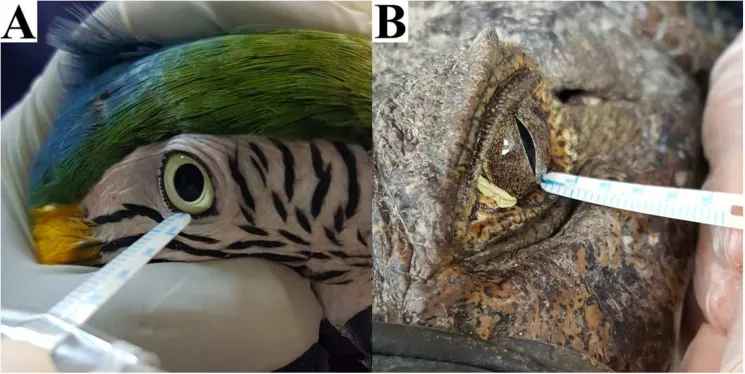
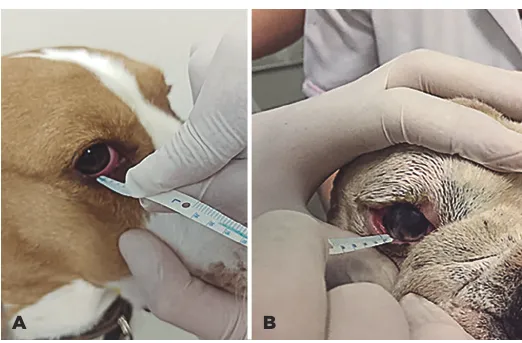
Photos from published studies showing SMTube in use in animals.
Publication list (as of September 1, 2026)
Human studies (20 papers)
- Dogru M, Ishida K, Matsumoto Y, et al. Strip meniscometry: a new and simple method of tear meniscus evaluation. Invest Ophthalmol Vis Sci. 2006;47(5):1895-1901. doi:10.1167/iovs.05-0802
- Ibrahim OM, Dogru M, Ward SK, et al. The efficacy, sensitivity, and specificity of strip meniscometry in conjunction with tear function tests in the assessment of tear meniscus. Invest Ophthalmol Vis Sci. 2011;52(5):2194-2198. doi:10.1167/iovs.10-5986
- Lee KW, Kim JY, Chin HS, Seo KY, Kim TI, Jung JW. Assessment of the Tear Meniscus by Strip Meniscometry and Keratograph in Patients With Dry Eye Disease According to the Presence of Meibomian Gland Dysfunction. Cornea. 2017;36(2):189-195. doi:10.1097/ico.0000000000001033
- Shinzawa M, Dogru M, Miyasaka K, Shimazaki J, Sekiryu T. Application of CASIA SS-1000 Optical Coherence Tomography Tear Meniscus Imaging in Testing the Efficacy of New Strip Meniscometry in Dry Eye Diagnosis. Eye Contact Lens. 2018;44 Suppl 1:S44-S49. doi:10.1097/icl.0000000000000312
- Ishikawa S, Takeuchi M, Kato N. The combination of strip meniscometry and dry eye-related quality-of-life score is useful for dry eye screening during health checkup: Cross-sectional study. Medicine (Baltimore). 2018;97(43):e12969. doi:10.1097/md.0000000000012969
- Alshammeri S, Madden L, Hagan S, Pearce EI. Strip meniscometry tube: a rapid method for assessing aqueous deficient dry eye. Clin Exp Optom. 2020;103(4):469-473. doi:10.1111/cxo.12941
- Singh A, Vanathi M, Kishore A, Gupta N, Tandon R. Evaluation of strip meniscometry, tear meniscus height and depth in the diagnosis of dry eye disease in asian Indian eyes. Ocul Surf. 2019;17(4):747-752. doi:10.1016/j.jtos.2019.07.002
- Ishikawa S, Shoji T, Yamada N, Shinoda K. Efficacy of Strip Meniscometry for Detecting Lacrimal Obstructive Diseases Among Patients With Epiphora. Transl Vis Sci Technol. 2019;8(6):8. doi:10.1167/tvst.8.6.8
- Ayaki M, Tachi N, Hashimoto Y, Kawashima M, Tsubota K, Negishi K. Diurnal variation of human tear meniscus volume measured with tear strip meniscometry self-examination. PLoS One. 2019;14(4):e0215922. doi:10.1371/journal.pone.0215922
- Shinzawa M, Dogru M, Miyasaka K, Kojima T, Tsubota K. The Application of Strip Meniscometry to the Evaluation of Tear Volume in Mice. Invest Ophthalmol Vis Sci. 2019;60(6):2088-2091. doi:10.1167/iovs.19-26850
- Sagara H, Sekiryu T, Imaizumi K, Shintake H, Sugiyama U, Maehara H. Impact of tear metrics on the reliability of perimetry in patients with dry eye. PLoS One. 2019;14(9):e0222467. doi:10.1371/journal.pone.0222467
- Negishi K, Ayaki M, Uchino M, Takei K, Tsubota K. Strip Meniscometry Correlates With Ocular Surface Tests and Symptoms. Transl Vis Sci Technol. 2020;9(12):31. doi:10.1167/tvst.9.12.31
- Osawa I, Esaka Y, Kojima T, Simsek C, Kudo H, Dogru M. Feasibility of Strip Meniscometry for Tear Volume Evaluation in Lacrimal Passage Obstruction. Diagnostics (Basel). 2020;10(4):179. doi:10.3390/diagnostics10040179
- Rashid MAKM, Thia ZZ, Teo CHY, Mamun S, Ong HS, Tong L. Evaluation of Strip Meniscometry and Association with Clinical and Demographic Variables in a Community Eye Study (in Bangladesh). J Clin Med. 2020;9(10):3366. doi:10.3390/jcm9103366
- Hao Y, Tian L, Cao K, Jie Y. Repeatability and Reproducibility of SMTube Measurement in Dry Eye Disease Patients. J Ophthalmol. 2021;2021:1589378. doi:10.1155/2021/1589378
- Schulze K, Großjohann R, Paul S, Bossaller L, Tost F. Streifenmeniskometrie und Schirmer-Test. Ophthalmologe. 2020;118(6):561-568. doi:10.1007/s00347-020-01208-0
- Dogru M, Kojima T, Nagata T, Tsubota K. Strip Meniscometry Tube in the Assessment of Tear Lactoferrin in Non-Obese Diabetic (NOD) Mice. Appl Sci. 2022;12(7):3700. doi:10.3390/app12073700
- Miyasaka K, Ayaki M, Negishi K. Tear Strip Meniscometry and Its Clinical Application: Analysis of More Than 2000 Cases. Transl Vis Sci Technol. 2022;11(5):3. doi:10.1167/tvst.11.5.3
- Wang Y, Xu Z, Gong Q, et al. The Role of Different Tear Volume Detection Methods in the Evaluation and Diagnosis of Mild Dry Eye Disease. Transl Vis Sci Technol. 2022;11(3):15. doi:10.1167/tvst.11.3.15
- Ayaki M, Torii H, Yotsukura E, Negishi K. Sex differences in the relationship between axial length and dry eye in elderly patients. Front Med (Lausanne). 2023;10:1170696. doi:10.3389/fmed.2023.1170696
Animal studies (8 papers)
- Rajaei SM, Ansari Mood M, Asadi F, Rajabian MR, Aghajanpour L. Strip meniscometry in dogs, cats, and rabbits. Vet Ophthalmol. 2018;21(2):210-213. doi:10.1111/vop.12486
- Raposo AC, Portela RD, Masmali A, et al. Evaluation of lacrimal production, osmolarity, crystallization, proteomic profile, and biochemistry of capuchin monkeys' tear film. J Med Primatol. 2018;47(6):371-378. doi:10.1111/jmp.12368
- Miyasaka K, Kazama Y, Iwashita H, Wakaiki S, Saito A. A novel strip meniscometry method for measuring aqueous tear volume in dogs: Clinical correlations with the Schirmer tear and phenol red thread tests. Vet Ophthalmol. 2019;22(6):864-871. doi:10.1111/vop.12664
- Oriá AP, Raposo ACS, Brito VJdSCd, Araújo NLLCd, Oliveira MMS, Albuquerque IMB. Tear meniscometry test in wild animals. Cienc Rural. 2019;49(11):e20181002. doi:10.1590/0103-8478cr20181002
- Bolzanni H, Oriá AP, Raposo ACS, Sebbag L. Aqueous tear assessment in dogs: Impact of cephalic conformation, inter-test correlations, and test-retest repeatability. Vet Ophthalmol. 2020;23(3):534-543. doi:10.1111/vop.12751
- Kovaļčuka L, Šarpio L, Mālniece A. Schirmer tear test and strip meniscometry in healthy cats. Open Vet J. 2021;11(4):695-699. doi:10.5455/ovj.2021.v11.i4.21
- Nascimento FF, Passareli JVGC, Zulim LFDC, et al. Comparison of strip meniscometry and Schirmer tear test results and tear film breakup time between healthy dogs and dogs with dry eye disease. Arq Bras Oftalmol. 2023;86(4):314-321. doi:10.5935/0004-2749.20230057
- Silva PHS, Cruz LKS, Ferreira BM, Falcão MSA, Barreto-Vianna ARC, Lima EMM. Evaluating the aqueous portion of tears in shih tzu dogs: comparing Schirmer tear test 1 with tear meniscus height. Arq Bras Med Vet Zootec. 2024;76(5):e12965. doi:10.1590/1678-4162-12965
Regulatory status in Japan
- Generic name (Japan)
- 導涙チューブ
- Classification (Japan)
- General medical device (Class I)
- Intended use (Japan)
- Tear secretion function test (tear meniscus volume measurement)
In Japan, this product is a general medical device notified for the intended use stated above. Its application to biomarker analysis is at the research stage (Research Use Only); it does not claim to diagnose any disease and is positioned as a tool for standardizing pre-analytical sampling. Regulatory classification differs by country.
References
- Shinzawa M, Dogru M, Miyasaka K, Shimazaki J, Sekiryu T. Application of CASIA SS-1000 Optical Coherence Tomography Tear Meniscus Imaging in Testing the Efficacy of New Strip Meniscometry in Dry Eye Diagnosis. Eye Contact Lens. 2018;44 Suppl 1:S44-S49. doi:10.1097/ICL.0000000000000312
- Yokoi N, Bron AJ, Tiffany JM, Maruyama K, Komuro A, Kinoshita S. Relationship between tear volume and tear meniscus curvature. Arch Ophthalmol. 2004;122(9):1265-1269. doi:10.1001/archopht.122.9.1265
- Shen M, Li J, Wang J, Ma H, Cai C, Tao A, Yuan Y, Lu F. Upper and lower tear menisci in the diagnosis of dry eye. Invest Ophthalmol Vis Sci. 2009;50(6):2722-2726. doi:10.1167/iovs.08-2704
- Dogru M, Ishida K, Matsumoto Y, et al. Strip meniscometry: a new and simple method of tear meniscus evaluation. Invest Ophthalmol Vis Sci. 2006;47(5):1895-1901. doi:10.1167/iovs.05-0802
- Ibrahim OM, Dogru M, Ward SK, et al. The efficacy, sensitivity, and specificity of strip meniscometry in conjunction with tear function tests in the assessment of tear meniscus. Invest Ophthalmol Vis Sci. 2011;52(5):2194-2198. doi:10.1167/iovs.10-5986
- Alshammeri S, Madden L, Hagan S, Pearce EI. Strip meniscometry tube: a rapid method for assessing aqueous deficient dry eye. Clin Exp Optom. 2020;103(4):469-473. doi:10.1111/cxo.12941
- Oriá AP, Raposo ACS, Brito VJdSCd, Araújo NLLCd, Oliveira MMS, Albuquerque IMB. Tear meniscometry test in wild animals. Cienc Rural. 2019;49(11):e20181002. doi:10.1590/0103-8478cr20181002
- Nascimento FF, Passareli JVGC, Zulim LFDC, et al. Comparison of strip meniscometry and Schirmer tear test results and tear film breakup time between healthy dogs and dogs with dry eye disease. Arq Bras Oftalmol. 2023;86(4):314-321. doi:10.5935/0004-2749.20230057